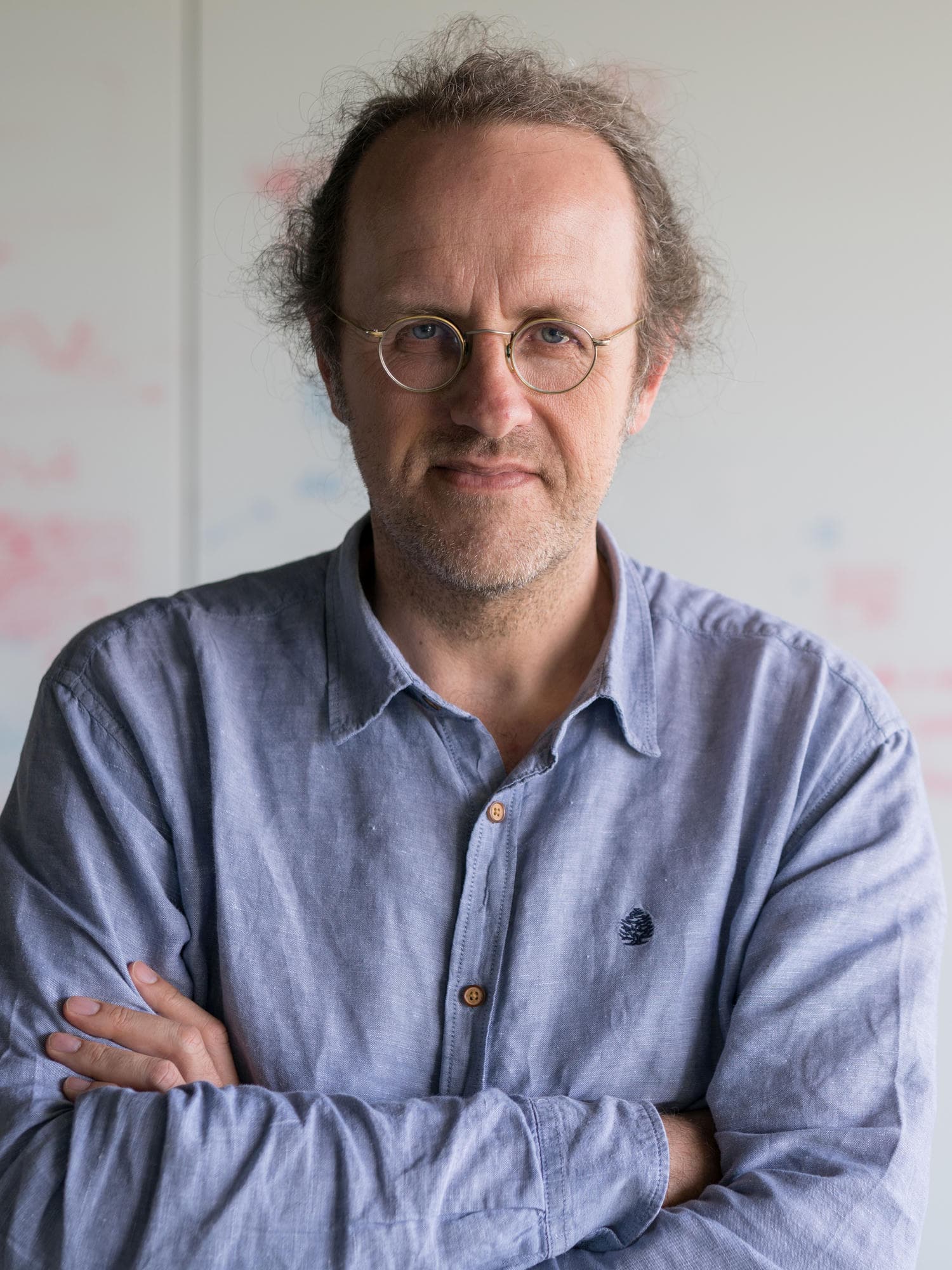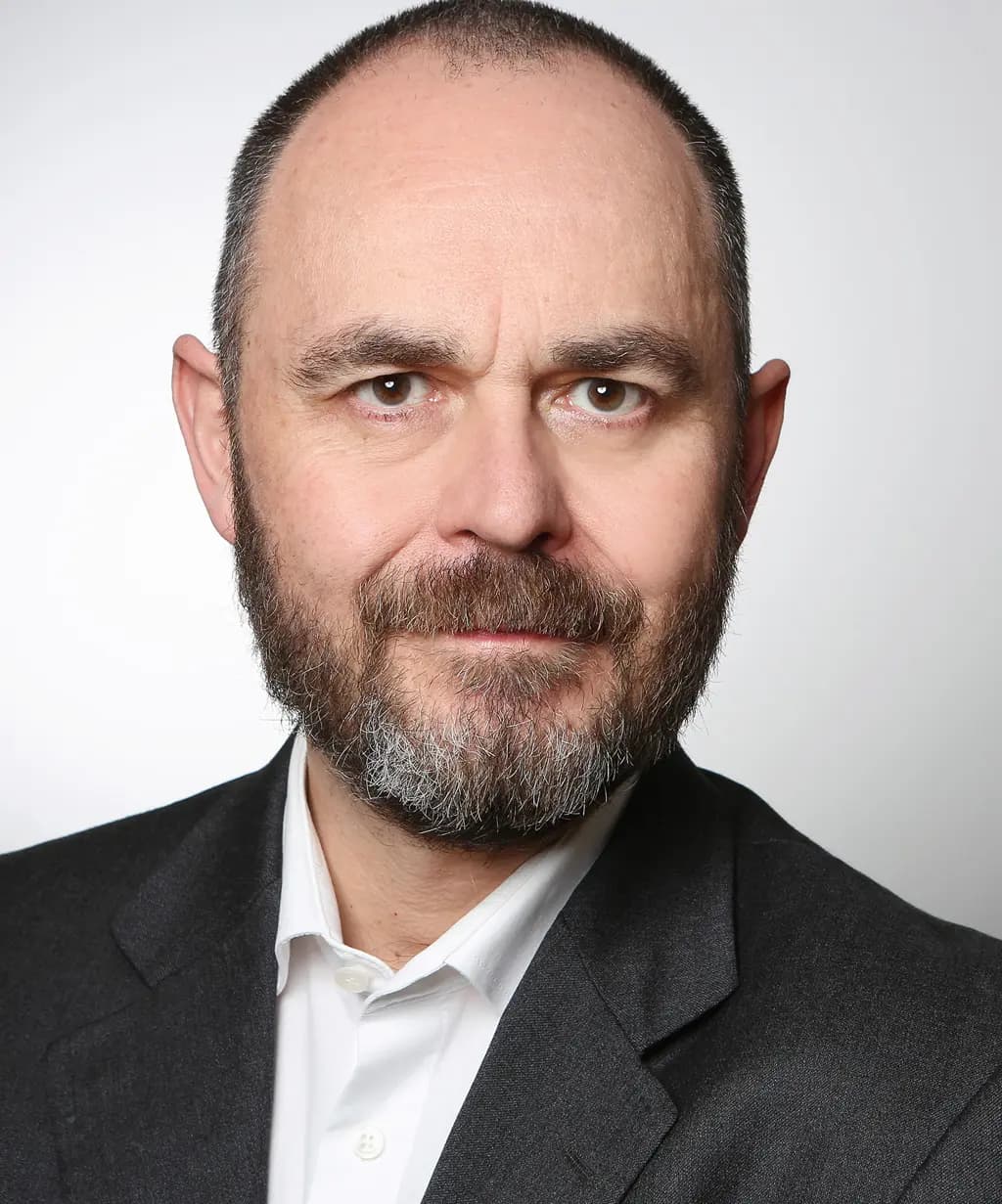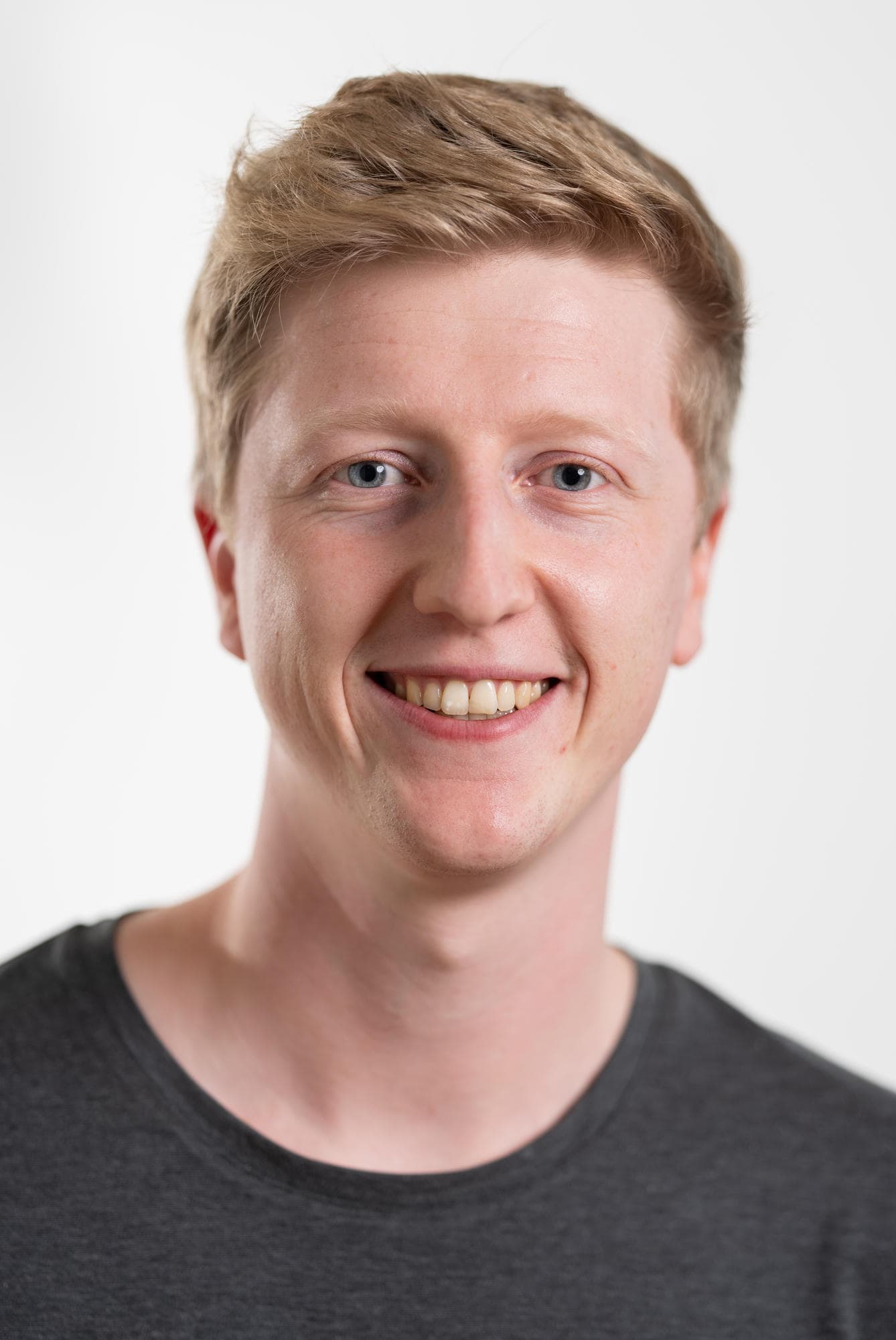
Co-Founder
PhD in AI · Max Planck Institute · University of Cambridge
About calliora
Walk through a hospital today and it quickly becomes clear where the time goes. People who trained for years to care for patients spend too much of their day at a screen: clinically coding cases, documenting care, explaining decisions, entering information again and reconciling records. A growing share of hospital work is administration rather than patient care.
This developed gradually until it began to feel normal. Each new regulation, reimbursement requirement and reporting obligation brought another person, another system or another screen. The work did not become simpler. It became more burdensome.
A single case now passes through many people. Each opens the same record, often without the context from the previous step. Existing systems do not connect the whole process. Hospital staff bridge the gaps every day through manual work. These processes are reaching their limits.
The cost is not only time. Administrative burden contributes to skilled professionals leaving healthcare. Nurses and physicians spend too much of their working day on tasks outside the work they trained to do.
For a long time, there was no alternative. The work was necessary, and someone had to do it. That is changing. AI is now capable enough to take on a large share of this administrative work. The goal is not to add another tool for staff to operate or simply make paperwork faster. It is to complete clearly defined tasks directly, using the full case context.
Our team previously helped advance the development of this AI at leading technology companies. We are now applying that experience to one of the most complex and highly regulated fields: hospital administration.
The people who care for patients benefit: they have more time for the work they trained to do and spend less time on administration. This is already happening at several hospitals using our technology.
The people behind calliora helped advance AI at leading technology companies and bring decades of leadership experience in hospital management. Together, we deploy AI reliably in one of the most highly regulated environments.
Co-Founder
PhD in AI · Max Planck Institute · University of Cambridge
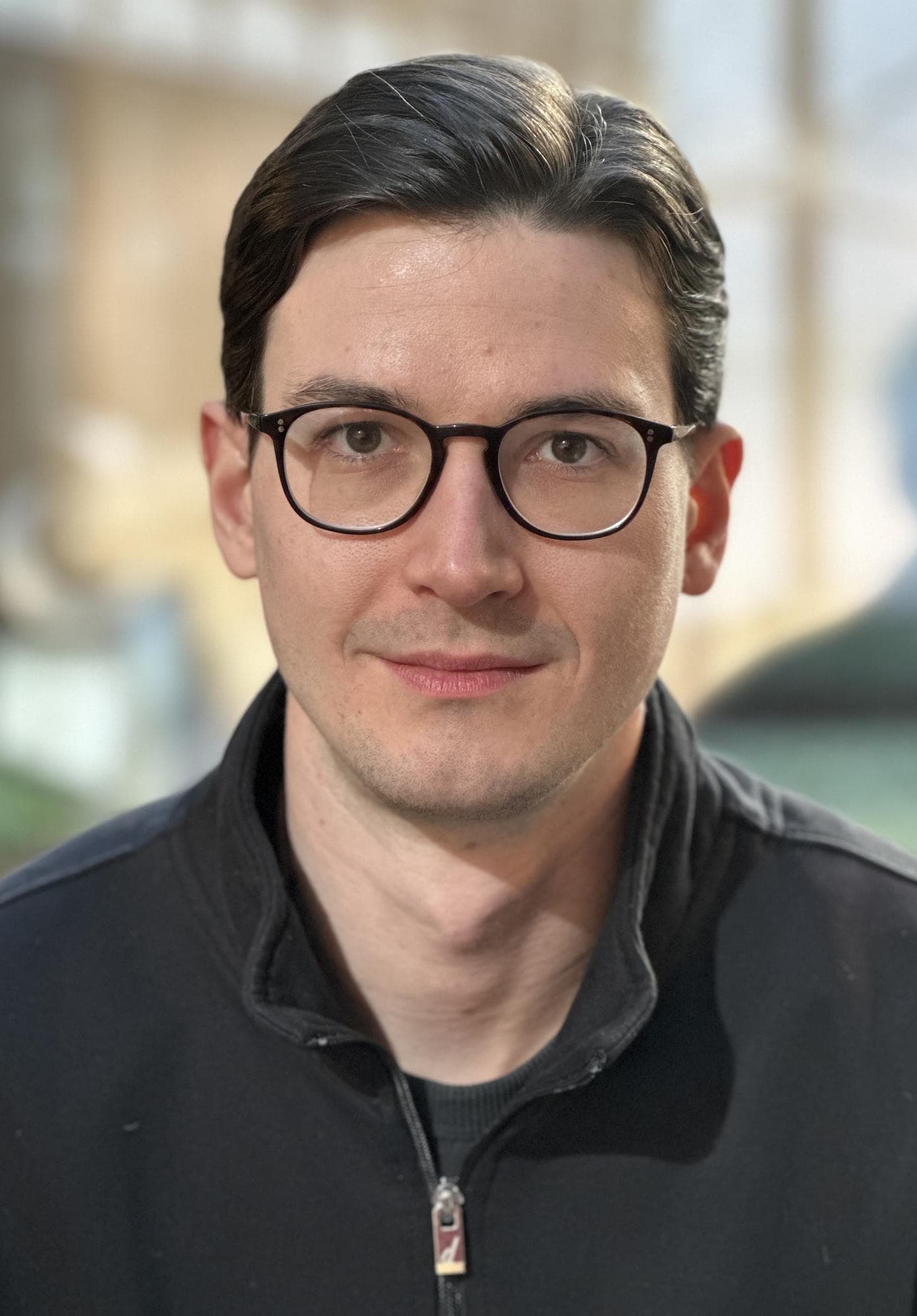
Co-Founder
PhD in AI · Max Planck Institute · University of Oxford
Our backgrounds
We do not follow a process simply because it has always been done that way. We work from first principles and build for day-to-day hospital operations.
We consider neither a single document nor an individual billing code in isolation. What matters is the full context of the entire patient journey.
Our technology does more than show what has happened. It identifies the next required step and carries it out independently. Every action remains traceable.
calliora carries out the required work. Hospital staff remain in control, review the results and approve them.
Security, traceability and integration with existing workflows are built into the product from the start.
Sound like you?
See open roles